In the demanding industry of property and buildings, a consulting firm’s competitive advantage lies in understanding and elevating the vision of a client. Utilizing a holistic approach to deliver goals effectively.
In the demanding industry of property and buildings, a consulting firm’s competitive advantage lies in understanding and elevating the vision of a client. Utilizing a holistic approach to deliver goals effectively.
Our comprehensive suite of services is designed to support businesses, communities, and institutions in transitioning towards a more sustainable, efficient..
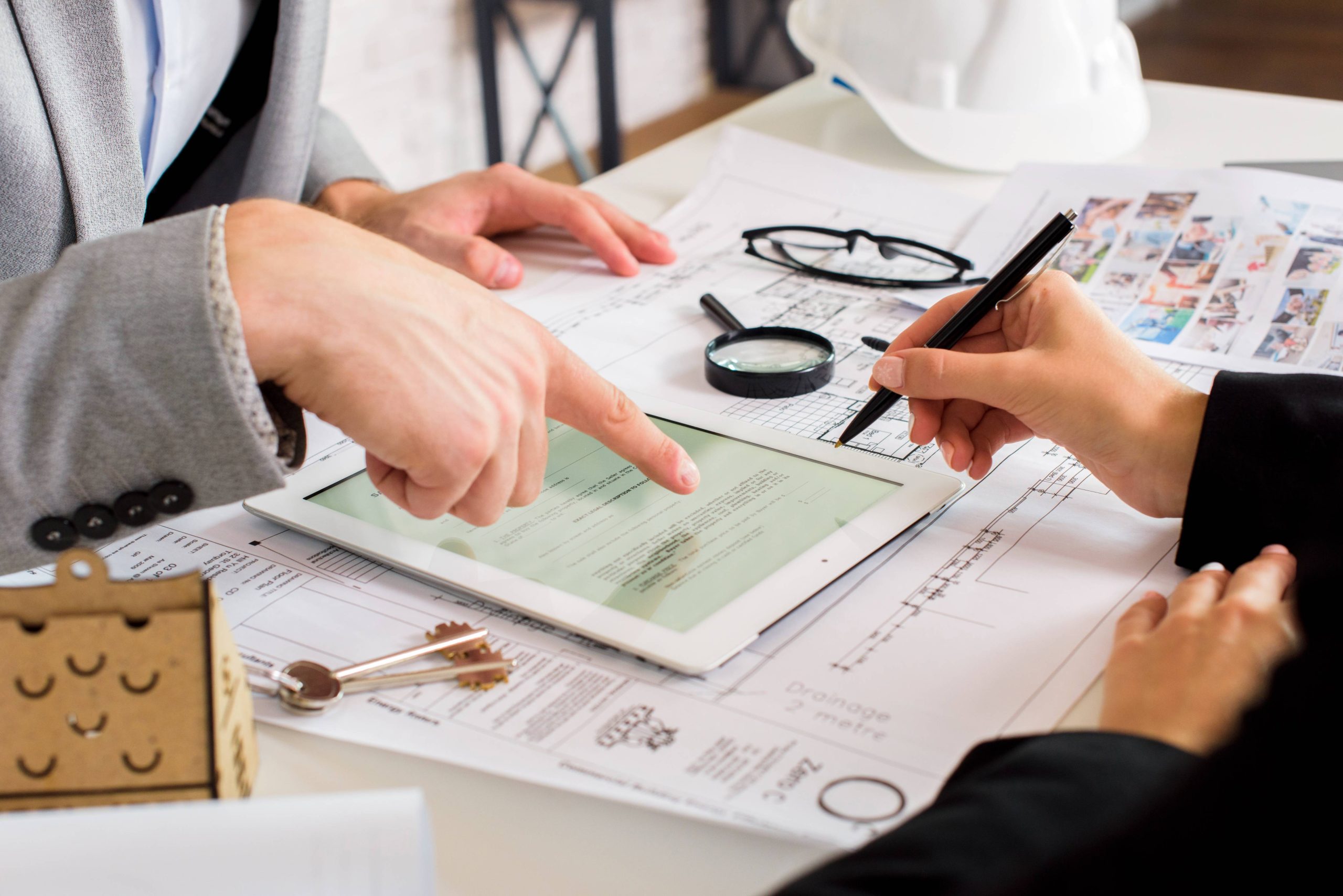
Permitting & Management
We have the capability to streamline the permitting process and delivering efficient project management services for design and development projects.
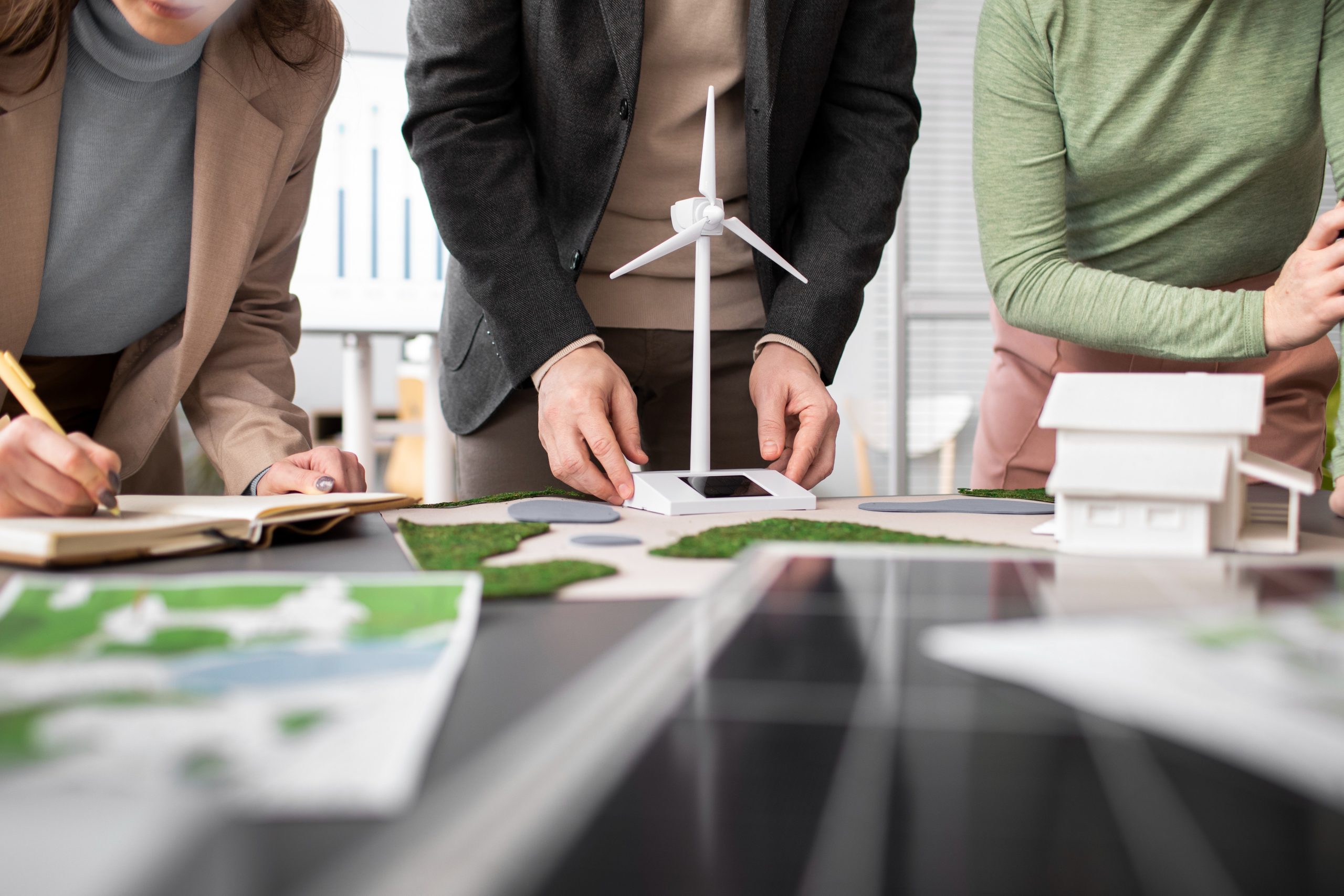
Green Building Consulting
We are EnergyStar Qualified Professionals and LEED Accredited Professionals, we can manage and coordinate certifications work from conceptual-phase to construction.
Your Partner in Property Design and Sustainability Needs
About Resilient Equities Built on Trust and Quality
Our journey is fueled by a vision to revolutionize the engineering industry. Effectively collaborating with investors, developers, and architects to create spaces and assets that improve user experience and reduces cost of ownership.
As a minority-owned enterprise, our commitment to reimagining and continuously pushing the boundaries of innovation is deeply rooted in understanding that our clients’ goals are the cornerstone of our problem-solving and decision-making processes. We recognize that every project is an opportunity to enhance livelihood and provide equitable prosperity.
As we challenge conventional approaches and pursue excellence, our dedication implicitly emphasizes the importance of delivering effective goals. We prioritize value creation as our driver to everything we do.
Manuel is a licensed professional engineer in the state of Florida with 8 years of engineering experience as project team lead in building design and sustainability consulting. He helps developers, architects, engineers, contractors, private and public owner-operators achieve their design, performance, and/or sustainability goals for new construction and existing buildings.
Manuel Fontan, PE, LEED AP BD+C
Lorem ipsum dolor sit amet, consectetur adipiscing elit. Ut elit tellus, luctus nec ullamcorper mattis, pulvinar dapibus leo.



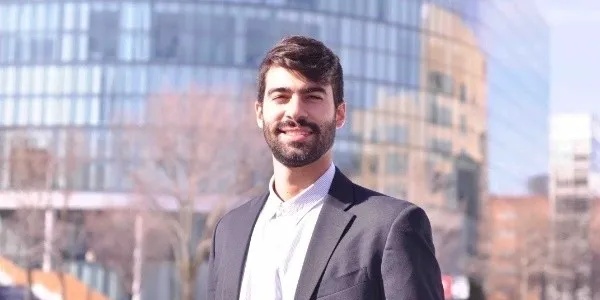
Manuel is a licensed professional engineer in the state of Florida with 8 years of engineering experience as project team lead in building design and sustainability consulting. He helps developers, architects, engineers, contractors, private and public owner-operators achieve their design, performance, and/or sustainability goals for new construction and existing buildings.
Manuel Fontan, PE, LEED AP BD+C